6 Warning Signs Your Garage Door Motor is Failing (And What to Do Next)
6 Warning Signs Your Garage Door Motor is Failing (And What to Do Next)
Your garage door motor is the unsung hero of your home, lifting hundreds of pounds multiple times a day with just the push of a button. But like any heavy-duty mechanical system, it has a lifespan.
Dealing with a broken garage door is incredibly frustrating and can pose a serious safety hazard. The good news? Garage door openers rarely fail without warning. By recognizing the early symptoms of a failing motor, homeowners can avoid being trapped in their garages and save money on what could otherwise become a major, costly repair.
Here are the six most common warning signs that your garage door opener needs professional attention.
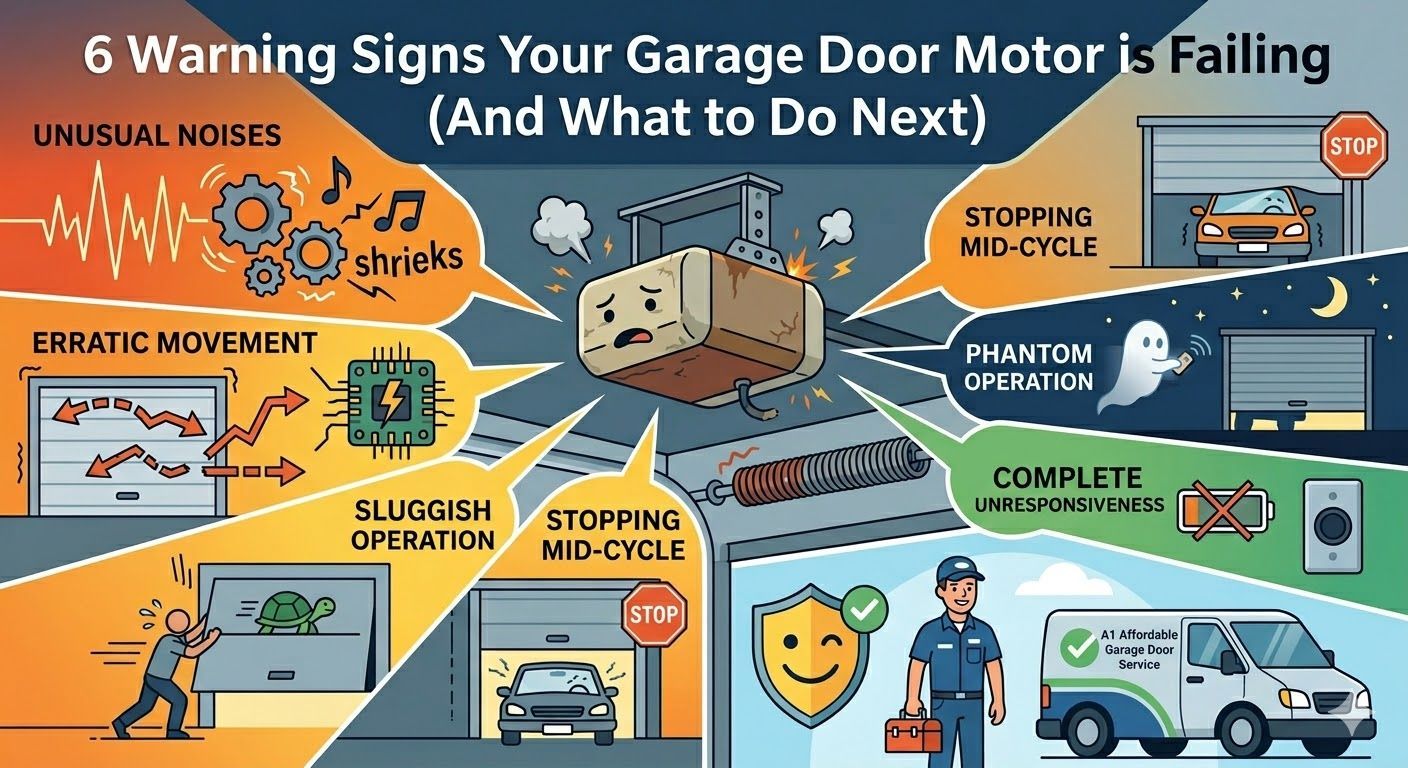
1. Unusual or Loud Noises During Operation
A healthy garage door opener should operate relatively quietly. While chain-drive systems make some noise, a sudden change in the sound of your door is a major red flag.
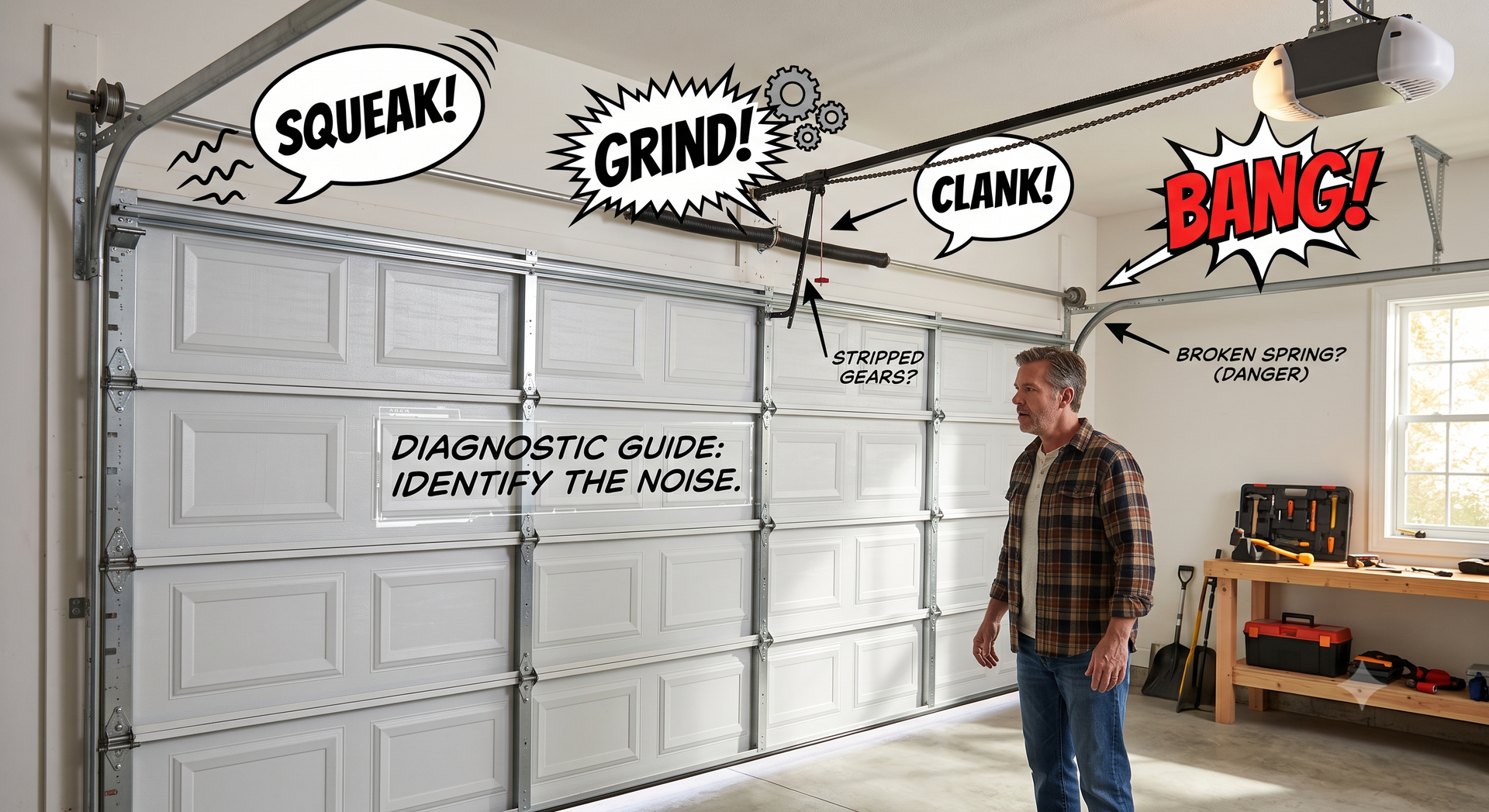
- What to listen for: Grinding, squealing, rattling, or rhythmic clicking.
- Why it happens: These sounds usually indicate stripped internal gears, a stretched drive belt, or parts desperately in need of lubrication. It can also mean the door is off-track, forcing the motor to grind against unnecessary friction.
- The Fix: Don't ignore it. What starts as a minor squeak can quickly escalate into a burned-out motor. A professional tune-up and inspection can usually resolve this before the motor dies completely.
2. Unpredictable or Erratic Movement
A reliable garage door should respond the exact same way every time you press the remote or wall switch. If your door has developed a mind of its own, the system is failing.
- What to look for: The door only opens occasionally, reverses direction immediately after touching the ground, or requires multiple button presses to work.
- Why it happens: Erratic behavior is almost always electrical. It points to a failing logic board, damaged wiring, or misaligned safety sensors.
- The Fix: Avoid DIY electrical repairs. Garage door systems involve high-voltage components and strict safety mechanisms. Have a certified technician diagnose the logic board and sensor alignment.
3. Sluggish, Jerky, or Straining Operation
If your door looks like it's struggling to lift its own weight, the motor is likely on its last legs.
- What to look for: The door moves much slower than it used to, shudders violently as it travels up the tracks, or seems to pause and strain.
- Why it happens: As motors age, they lose their lifting power. However, this can also be caused by a broken torsion spring or worn-out rollers forcing the motor to do more heavy lifting than it was designed to handle.
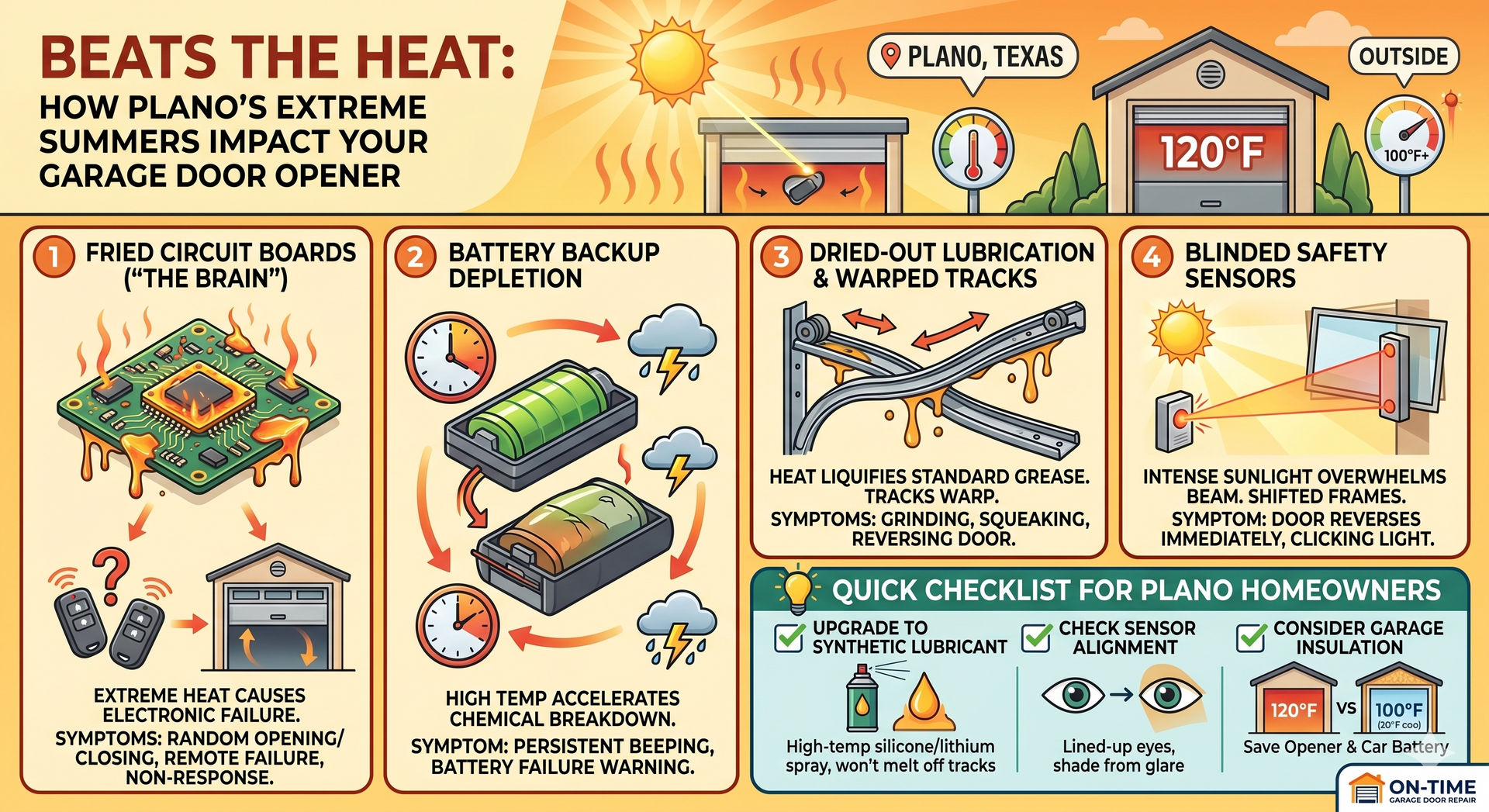
- The Fix: You can check the tracks for obvious debris, but persistent jerking means the door is unbalanced or the motor is failing. Operating a straining motor will eventually cause it to overheat and burn out.
4. Stalling or Stopping Mid-Cycle
Few things are more stressful than a garage door that gives up halfway, leaving your home exposed and your car trapped.
- What to look for: The door goes up or down a few feet and completely stops, requiring you to manually pull the emergency release to move it.
- Why it happens: This is often a built-in safety mechanism. If the door becomes too heavy due to a broken spring or cable, the motor will detect the overload and shut down to prevent starting a fire or destroying the opener.
- The Fix: Stop using the automatic opener immediately to prevent permanent damage to the unit. Call a repair professional to inspect the springs and cable tension.
5. The "Phantom Operation" (Opening on Its Own)
A garage door that opens and closes without anyone pressing a button is a massive security risk for your home.
- What to look for: You wake up or come home to find your garage door wide open, despite knowing you closed it.
- Why it happens: This "phantom" operation is usually caused by a shorted circuit board, a stuck button on one of your remotes, or radio frequency interference from nearby electronics.
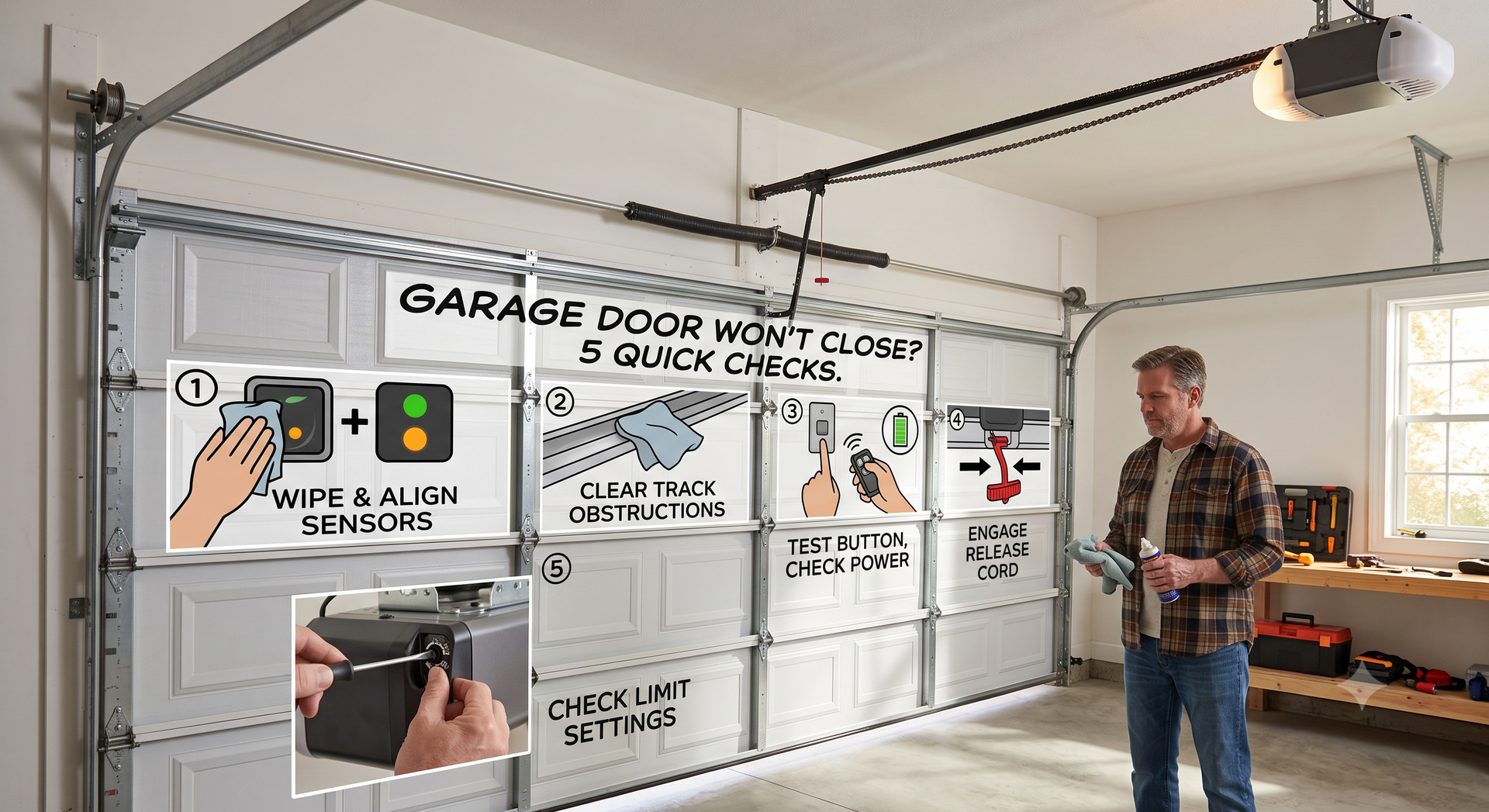
- The Fix: First, remove the batteries from all your remotes and check the wall console for stuck buttons. If the problem persists, you need a professional to inspect the opener's internal wiring and logic board to secure your home.
6. Complete Unresponsiveness
When you press the button and absolutely nothing happens—no lights, no sounds, no movement—you are dealing with a total system failure.
- What to look for: A completely dead unit that doesn't respond to remotes, keypads, or the wall switch.
- Why it happens: This could be as simple as a blown GFCI outlet or tripped circuit breaker, but if there is power to the unit, the motor itself or the main circuit board has died, often due to age or power surges.
- The Fix: Check your breaker box first. If power isn't the issue, it’s time to call the experts. A qualified technician can tell you if repairing the logic board makes sense or if a full opener replacement is the more cost-effective, long-term solution.
Don't Wait for a Complete Breakdown
Catching these warning signs early gives you the advantage. Regular maintenance and prompt repairs not only extend the life of your garage door motor but also keep your home secure and your family safe.
Is your garage door motor showing any of these warning signs? Don't wait until your car is trapped inside. The experts at A1 Affordable Garage Door Services are ready to help.
Call us today at 972-877-5774 or schedule your inspection online to get fast, reliable, 24/7 service in Plano, Frisco, McKinney, Allen, Dallas, and the surrounding North Texas communities!